Oil to Gas Conversion
We convert oil boilers and furnaces to gas heat, handling gas piping, permits, new equipment and tank removal in one project.
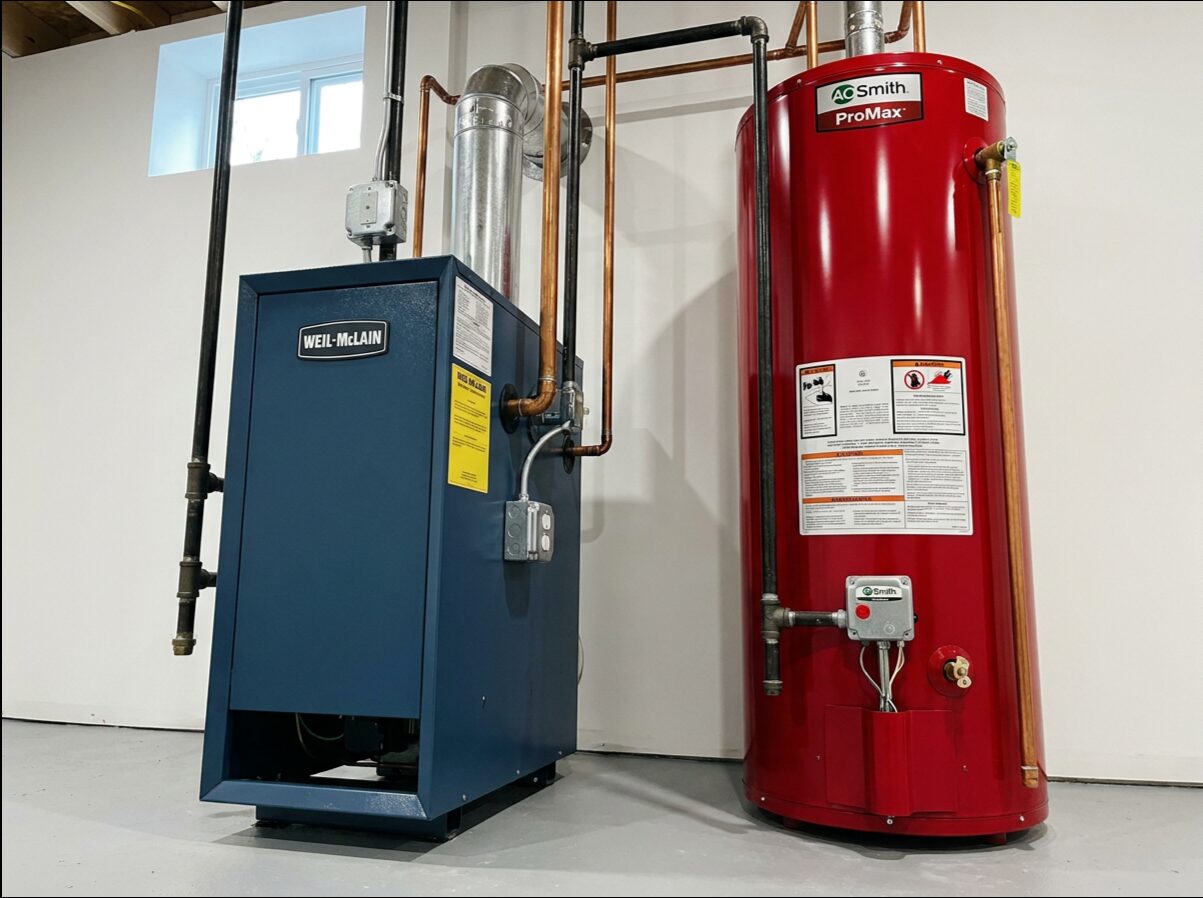
24/7
Emergency service
Same Day
Most repairs
Licensed
& fully insured
Upfront
Pricing, no surprises
Call (877) 717-8383 for 24 hour service.
Our Services
- Oil Boiler & Furnace ServicesRepairs and cleanings for oil systems not ready to convert.
- Gas Hot Air Furnace ServicesGas furnace repair and new forced air installation.
- Gas Steam & Hot Water BoilersNew gas boilers for radiator and baseboard heat.
- Boiler ServicesGeneral boiler repair, tune-ups and replacement.
Signs It's Time to Convert
An aging oil boiler or furnace, an old tank you no longer trust, or the hassle of oil deliveries and yearly burner cleanings are the usual triggers for looking at gas. Gas equipment burns cleaner and needs less routine maintenance once the tank is out of the picture.
Not every block has gas at the curb, and some homes with gas service don't have the capacity for a new appliance without an upgrade. We check your actual setup before quoting, and sometimes the honest answer is that servicing the oil system a bit longer makes more sense right now.
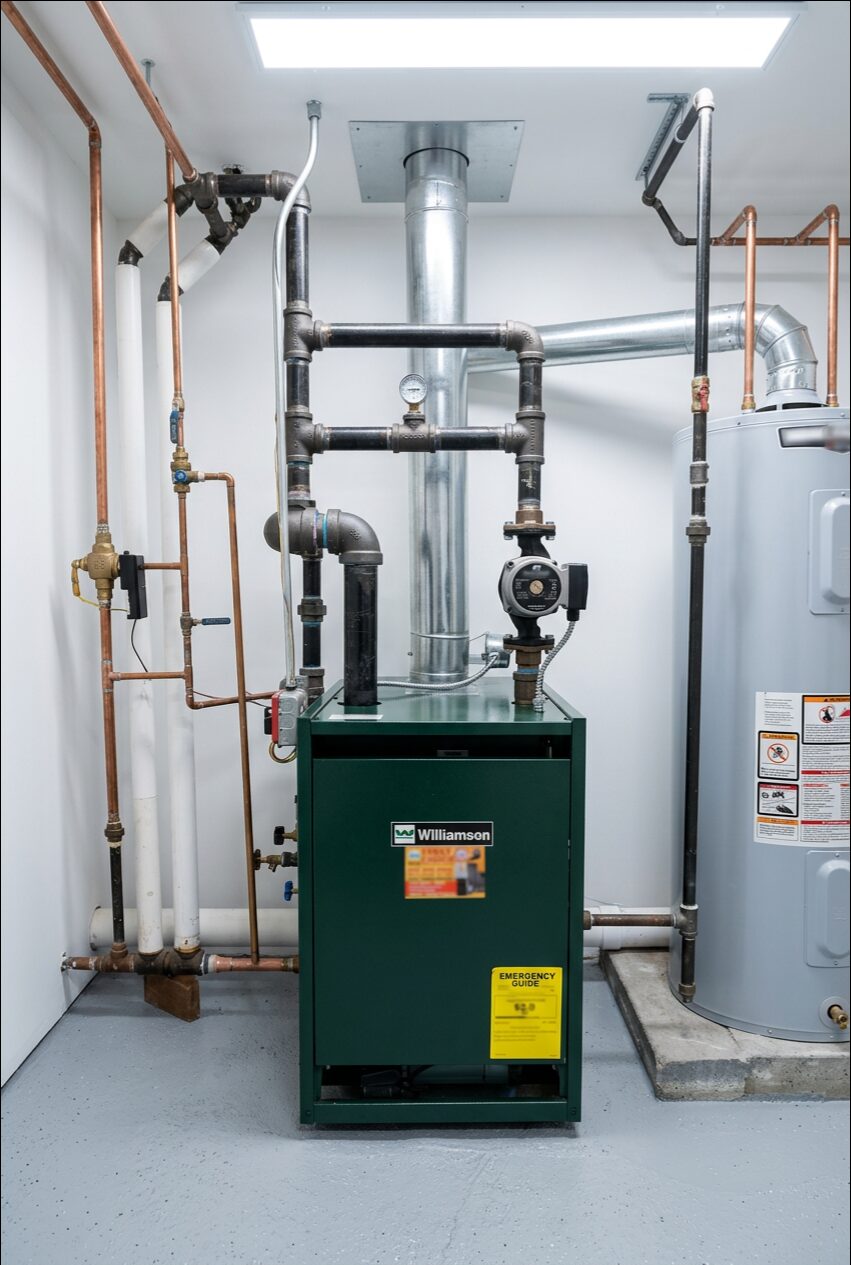
How a Conversion Comes Together
A full conversion covers decommissioning the old oil equipment, running or upsizing gas piping to the mechanical room, correcting the venting for gas appliances, setting the new furnace or boiler, and dealing with the old tank. We sequence the work to limit how long the house is without heat, often finishing in a day or two.
A site visit comes first. We look at the current equipment, existing gas service if any, and venting, then walk you through equipment options with a firm number rather than a guess.
Gas Line Work and Permits
Utility Coordination
If gas isn't run to the mechanical room, or the line is undersized, that has to happen before new equipment goes in. Depending on the street, this can mean coordinating with the utility for new or upgraded service on their timeline.
Permits and Inspection
New gas piping, venting changes and equipment installs all require permits and inspection in New Jersey. We pull permits and schedule inspections as part of the job so nothing is left for you to chase down.
Matching Equipment to Your Home
Forced air ductwork usually takes a gas furnace as a direct replacement for an oil furnace. Radiators or baseboard heat call for a gas boiler, which often connects to existing distribution piping with some modification. We size equipment to the actual heat load and current distribution rather than defaulting to whatever unit is common.
Higher efficiency gas equipment costs more upfront, uses less fuel, and sometimes vents through the sidewall instead of an old chimney. We lay out the tradeoffs so the choice fits your budget and how long you plan to stay in the house.
Dealing With the Old Tank
The oil tank has to be handled, not left sitting empty. Options are pumping and removing it, or abandoning it in place per state requirements, which involves cleaning and filling it so it cannot leak. We document whichever path applies.
Underground tanks matter even more, since a leaking buried tank is a real liability. If you have one and aren't sure of its condition, that is a good reason to move up the timeline.
What Drives the Price
Cost depends on how much piping is needed, whether the utility has to upgrade service, the equipment and efficiency level chosen, venting changes, and how the tank is handled. We give one quote covering the whole project before work starts.
- Gas piping, permits and utility coordination handled for you
- Equipment sized to your existing ductwork or radiators
- Old oil tank removed or properly abandoned per state rules
- Venting corrected for gas appliance requirements
- One firm quote covering the full scope before work begins
- Inspections scheduled so the job is properly documented
Frequently Asked Questions
How much does it cost to convert from oil to gas heat?+
Cost depends on whether gas needs to be run to the mechanical room, whether the utility upgrades service, equipment choice, and how the old tank is handled. A site visit gets you a real number. We give one quote covering piping, permits, equipment and tank work before starting.
How long does an oil to gas conversion take?+
Most residential conversions finish in one to two days once gas service is confirmed at the property. If the utility needs to install or upgrade service, that step can add time outside our control. We coordinate it as early as possible to keep the job moving.
What happens to my old oil tank during conversion?+
The tank is either pumped out and removed, or cleaned and abandoned in place per New Jersey requirements when removal isn't practical. Either way it's documented so there's no lingering liability. We'll walk you through which option fits during the site visit.
Do I need a permit to convert from oil to gas in NJ?+
Yes, new gas piping, venting changes and new heating equipment all require permits and inspection. We handle the permit applications and schedule the required inspections as part of the job.
Can I keep my existing radiators or ductwork after converting to gas?+
Usually yes. A gas boiler typically connects to existing radiator or baseboard piping with some modification, and a gas furnace typically connects to existing ductwork. We check your distribution system on the site visit to confirm or flag needed changes.
Contact Us Today!
Tell us about your current oil system and we'll schedule a site visit to scope out a full conversion.
Call Jersey City Plumbing Heating & Cooling at (877) 717-8383 to get started.