Water Heater Repair & Installation in Jersey City
No hot water or a leaking tank? We repair, replace and install tank and tankless water heaters, day or night.
24/7
Emergency service
Same Day
Most repairs
Licensed
& fully insured
Upfront
Pricing, no surprises
Call (877) 717-8383 for 24 hour service.
Our Services
- PlumbingFull plumbing repair and installation for homes and small buildings.
- Gas Line & Water Line RepairGas and water service lines repaired and replaced to code.
- Pipe Leak Detection & RepairLocate and repair leaks before they damage floors and ceilings.
- Sink & Faucet Repair & InstallationFaucets and fixtures repaired or replaced in one visit.
- Frozen & Burst Pipe RepairEmergency response for frozen and burst pipes.
- Drain & Sewer ServicesDrain cleaning and sewer line service for the whole building.
Tank and Tankless Water Heater Service
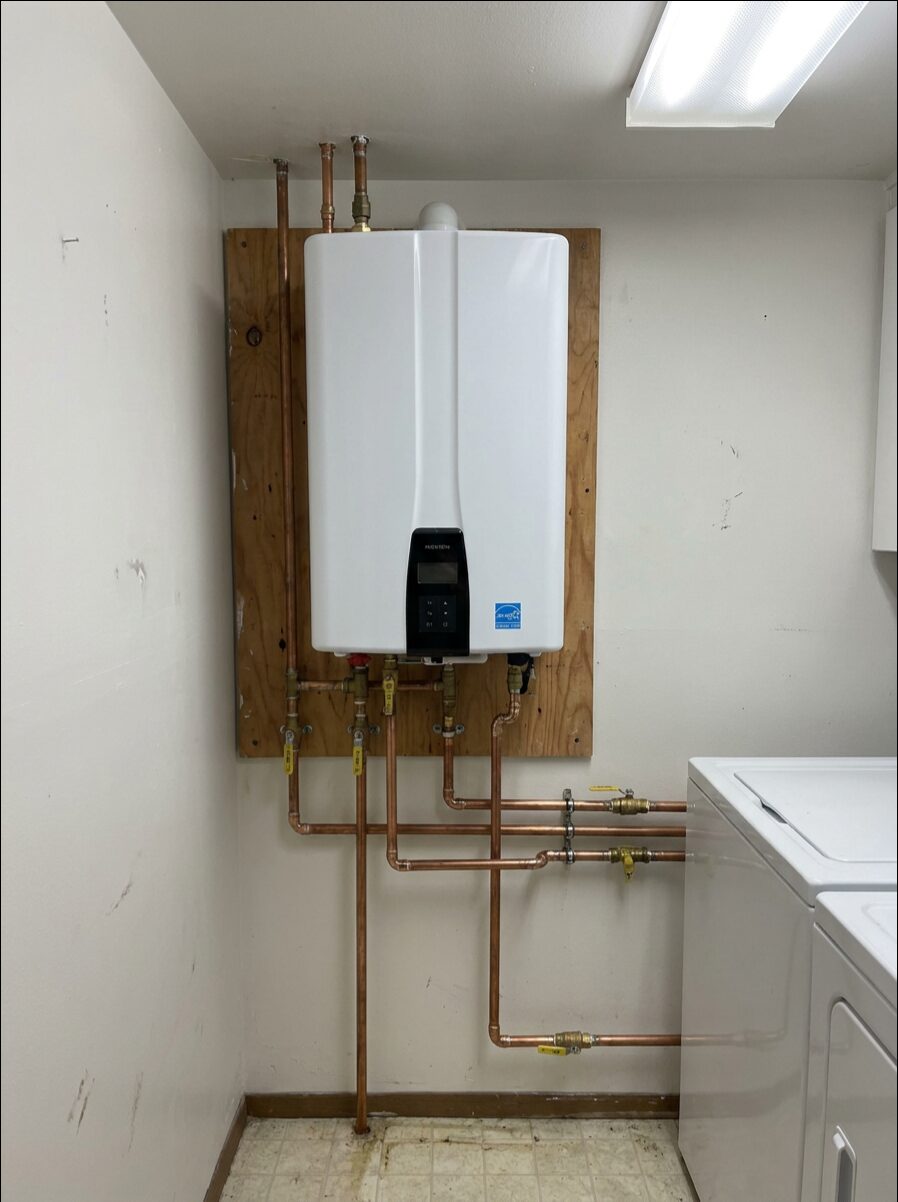
A water heater is one of those things nobody thinks about until it fails, usually at the worst moment. We repair and replace both traditional tank water heaters and tankless units, and install new systems for renovations, straight swaps and homes converting from one type to the other. Whether you have a 40 gallon tank in a basement corner or a wall-mounted tankless unit feeding a whole house, we work on it.
Tank and tankless units fail differently and get serviced differently. Tanks accumulate sediment, corrode from the inside and eventually leak. Tankless units rely on flow sensors, igniters and heat exchangers that need periodic descaling, especially with the hard water common in older buildings. Knowing which type you have and how it has been maintained is the starting point for an accurate diagnosis.
- Gas and electric tank water heater repair and replacement
- Tankless water heater repair, descaling and installation
- Tank-to-tankless conversions
- Leak diagnosis and drain valve or relief valve repair
- Anode rod checks and tank flushing
- Expansion tank installation and repair
No Hot Water
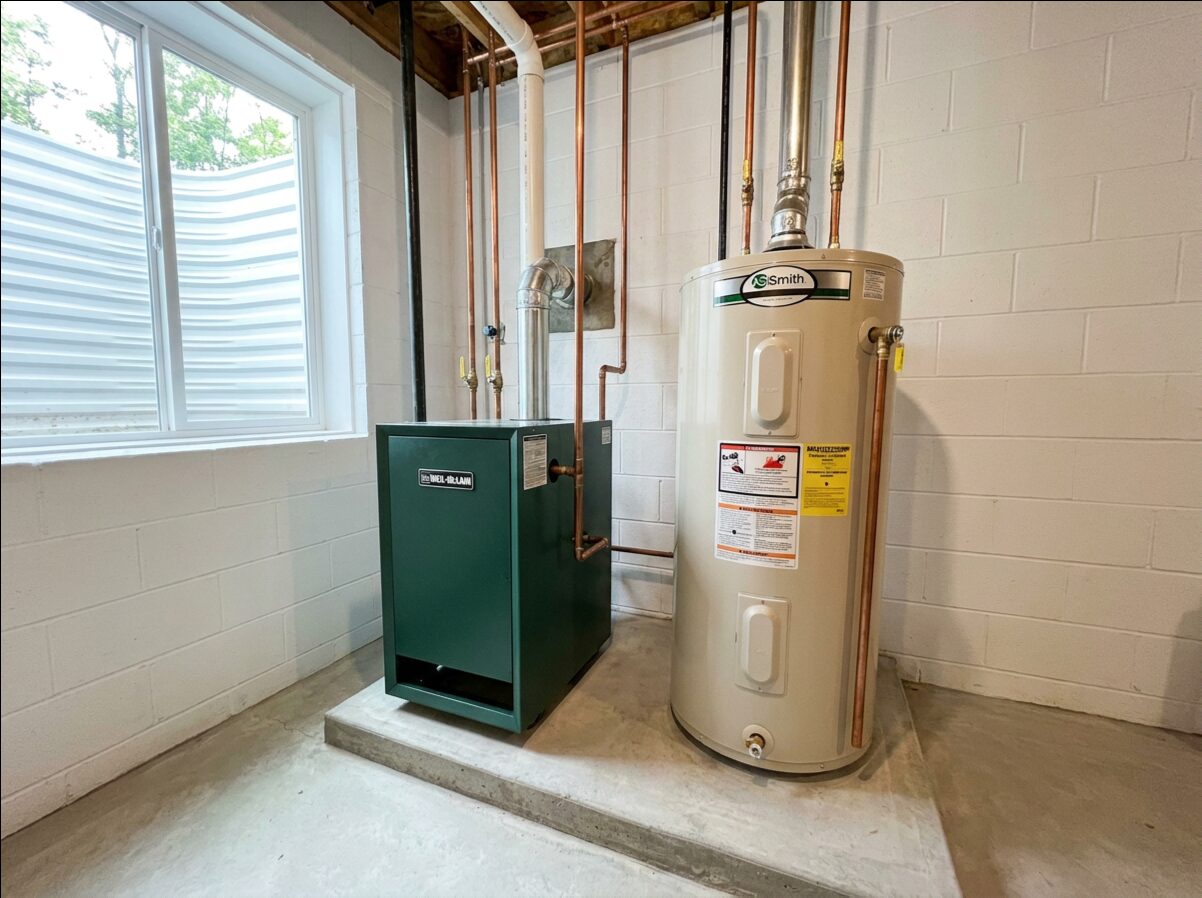
This is the most common call we get, and the cause depends heavily on the unit type. On a gas tank water heater, a pilot that will not stay lit usually points to a failing thermocouple or a dirty pilot assembly. On an electric tank, a failed heating element or thermostat is the usual suspect. On a tankless unit, no hot water is often a flow sensor, an ignition fault, or a lockout code on the control panel. We diagnose the specific fault rather than guessing and replacing parts.
Leaking Water Heaters
A leaking tank almost always means the tank itself has corroded through, and at that point repair is not an option because the failure is inside the steel. A puddle at the base does not always mean the tank, though. It can also come from a loose drain valve, a failed relief valve, or condensation on a cold water line feeding the unit. We check all of it before condemning the tank, since a valve replacement costs a fraction of a new water heater.
Sediment, Flushing and Anode Rods
Sediment builds up at the bottom of every tank water heater over time, and it is one of the biggest reasons units fail early. A heavy layer insulates the water from the burner or element, forces the unit to run longer to reach temperature, and can cause rumbling or popping noises. Flushing the tank once a year clears this out and meaningfully extends the life of the unit.
The anode rod is a sacrificial metal rod inside the tank that corrodes instead of the tank itself. Once it is fully consumed, the tank starts corroding directly and the clock starts running on tank failure. Checking and replacing the anode rod every few years is inexpensive and one of the most effective ways to get a tank water heater past its expected lifespan.
Pilot Light, Thermocouple and Ignition Problems
On gas tank units, a pilot that will not light or stay lit is usually a worn or misaligned thermocouple, though a dirty pilot orifice or a gas supply issue can cause the same symptom. On tankless units, ignition faults typically show as an error code on the display, which points us straight to the failed component, whether that is an igniter, a flame sensor or a control board. We carry common replacement parts on the truck for both types.
Venting, Expansion Tanks and Sizing
Proper venting is not optional on a gas water heater, tank or tankless. A blocked, corroded or improperly sloped vent can allow combustion gases to spill back into the living space instead of leaving the building, a safety issue we take seriously on every install and service call. Tankless units use specific venting materials rated for their exhaust temperatures, and using the wrong material is a common mistake in poorly done installations.
An expansion tank is easy to overlook, but it protects your plumbing system from the pressure spikes that happen when water heats up and expands in a closed system. Many municipalities require one on new installations, and a waterlogged or failed expansion tank can cause a relief valve to drip constantly even though the water heater itself is fine. Sizing matters too: an undersized tank runs out of hot water, an oversized one wastes energy, and tankless units are sized by the flow rate needed at peak demand.
- Diagnosing no hot water or lukewarm water
- Sizing new tank and tankless units to household demand
- Vent inspection and correction on gas units
- Gas and electric supply evaluation for new installs
- Code-required expansion tank installation
- Same-day emergency replacement
What Affects Cost, and Lifespan
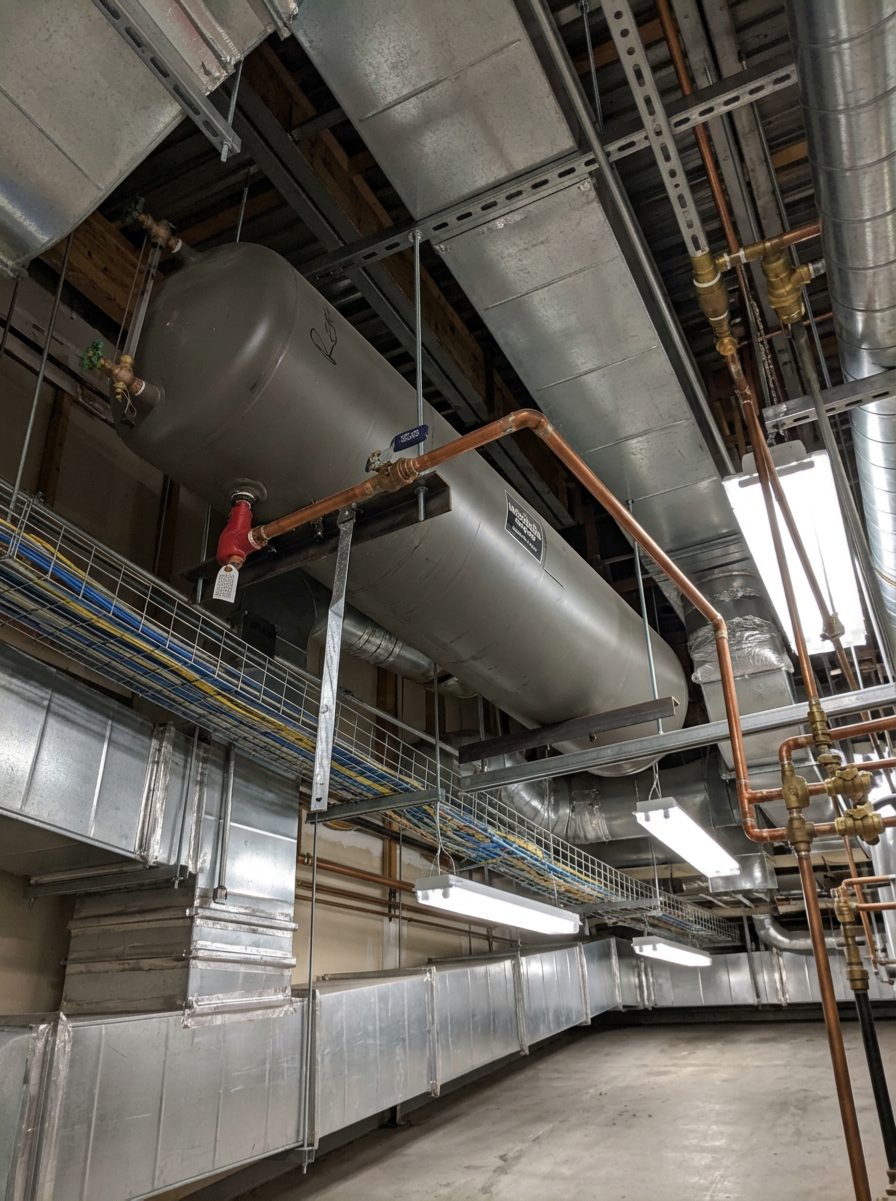
Cost on a water heater job depends on the type of unit, its capacity, whether venting or gas line work is required, and whether code now requires additions like an expansion tank or updated venting the old installation lacked. A straight tank-for-tank swap with existing connections is the simplest job, while a conversion from tank to tankless, or a relocation of the unit, involves more piping and venting work.
A well-maintained tank water heater typically lasts eight to twelve years, while tankless units can run considerably longer with regular descaling. Neglecting maintenance, whether that means skipping flushes or ignoring an exhausted anode rod, is the single biggest reason units fail well before their expected lifespan.
Frequently Asked Questions
Why do I suddenly have no hot water?+
The most common causes are a pilot light or ignition failure, a failed heating element on an electric unit, or a flow sensor issue on a tankless unit. Sediment buildup can also insulate a tank enough to sharply reduce hot water output over time. A technician can usually identify the exact cause early in a service call by checking the ignition system, power supply and any error codes displayed.
How long do water heaters usually last?+
A tank water heater typically lasts eight to twelve years, while a well-maintained tankless unit can last considerably longer. Lifespan depends heavily on maintenance, particularly annual flushing and anode rod replacement on tank units, and periodic descaling on tankless units. Water quality, usage patterns and installation quality all affect how close a unit gets to its expected lifespan.
Is it worth switching from a tank to a tankless water heater?+
It depends on your household's hot water demand, available gas or electrical capacity, and how much space you want to free up. Tankless units take up less space and can lower energy costs by heating water on demand instead of keeping a full tank hot continuously, but they cost more to purchase and install. We look at your usage and existing utility service before recommending one over the other.
Why is my water heater leaking from the bottom?+
A leak at the base can come from a loose drain valve, a failed relief valve, or condensation, all of which are repairable. If the leak is coming from the tank body itself, that means internal corrosion has gone through the steel and the tank needs to be replaced rather than repaired. We check every possible source before condemning the unit.
How often should a water heater be flushed?+
Once a year is the standard recommendation for most tank water heaters, and more often in areas with hard water. Flushing removes sediment that builds up at the bottom of the tank, which reduces efficiency, causes noise and shortens the unit's lifespan if left unaddressed. Tankless units should be descaled on a similar schedule to keep the heat exchanger working efficiently.
Contact Us Today!
No hot water is never convenient. We repair and replace tank and tankless water heaters the same day when it matters.
Call Jersey City Plumbing Heating & Cooling at (877) 717-8383 for water heater service.